 Log In

“School-at-Home” — The Traditional Homeschool Style
When it comes to homeschooling styles, many people think of reimagined, out-of-the-box ways of learning. However, a huge number of families use the traditional homeschooling style without even realizing it!
Sometimes called “school at home,” traditional homeschooling is a popular choice for first-time homeschoolers and families transitioning from public school. Its familiar structure and built-in guidance for scheduling and lesson planning make it a great introduction to home education.
What is “School at Home”?
Traditional homeschooling brings the classroom to your house – both figuratively and literally!
Every family has different needs and lifestyles, so there is no “correct” way to do school-at-home, but there are a few common elements:
- Instruction during typical school hours – Monday through Friday, from morning to afternoon
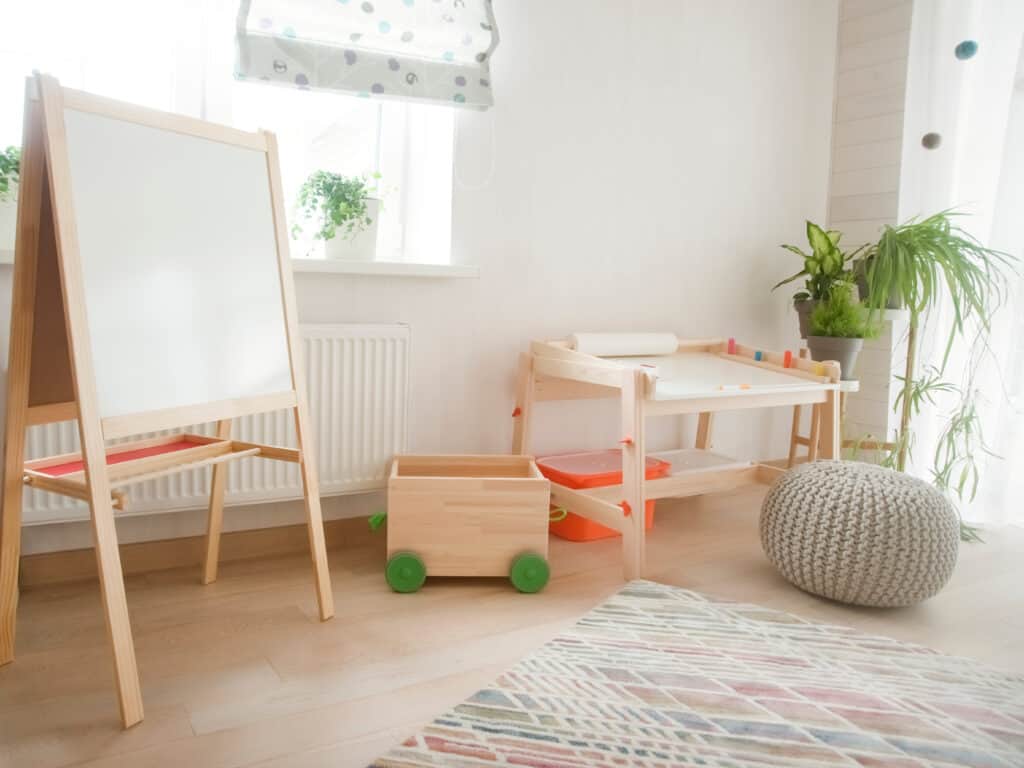
- A dedicated “classroom” space in the home, often with desks, whiteboards, posters, and other school materials
- Structured class periods similar to that of a school schedule
- The use of a prepackaged curriculum, either from a program like Miacademy or from your local school district
- Frequent quizzes and tests with standard grading (numerical and letter grades)
Is “School at Home” Right for My Family?
Wondering if this style of home instruction might work for your family? Here are some questions you may want to ask yourself in order to decide:
Many families choose the traditional homeschooling style because of the ease of access. There are so many pre-packaged curriculum options available, including lesson plans, assessments, practice assignments, and more!
- Are you planning on sending your child to school in the future?
Whether you’re homeschooling temporarily or just want to keep the door open, choosing this style of homeschooling can make the transition to public or private school easier.
2. For parents of teens and tweens, what are your child’s post-graduation plans?
While students who learn under any learning style can and do attend college, the traditional homeschooling style generally makes college and scholarship applications easier, as the grading is standardized.
3. Are you interested in making your own curriculum, developing lesson plans, and creating assessments?
Many families choose the traditional homeschooling style because of the ease of access. There are so many pre-packaged curriculum options available, including lesson plans, assessments, practice assignments, and more!
Benefits of Traditional Homeschooling
As one of the most popular, well-established styles of home education, there are many upsides to choosing a traditional approach to homeschooling! The benefits of school-at-home typically come from the convenience and convention of the method, which include…
1. Convenience
One of the biggest appeals of traditional homeschooling is the amount of materials available to parents – everything from curricula by grade level, lesson plans, assessments, and more! Plus, many online programs allow your child to work independently and will even administer and grade assessments, saving you valuable time.
2. Transitioning
The transition to homeschooling is a big change, but children who previously attended school often have an easier time adjusting to the similar structure of school-at-home. Plus, if you would like to enroll (or re-enroll) your child in public or private school, not only will they be accustomed to the structure, but the traditional grading structure may make it easier to re-enroll with public schools.
3. Establishment
There are many upsides to taking a beaten path! While newer options continue to grow in popularity in the homeschool community, traditional homeschooling has a well-established history behind it. Because of this, you’ll never have trouble finding advice on how to school-at-home, plus a plethora of success stories to look to for inspiration.
4. Choice
There are so many online curriculum options to choose from, and you can always switch if you find the one you’re using isn’t working for your child! Plus, many offer a trial period (Miacademy is $1.99 for the first month, for example), so you can shop around and find the best fit for your family.
5. Reassurance
When we discuss approaches to homeschooling, naturally, the focus is on what is best for students. However, as your child’s teacher, your needs should be a factor as well! Many first-time homeschool parents worry that they aren’t “doing enough” (especially in states with minimal homeschooling requirements). By choosing the traditional homeschooling method, you can have peace of mind in knowing your child’s education is solid!
How to Do “School at Home”
If you’re interested in trying school-at-home, you’re in luck – this method is extremely beginner-friendly, and there are a plethora of resources out there.
As with any homeschooling style, there is no right or wrong way to go about it – as long as your child is happy and learning, you’re doing great! If you’d like to give school-at-home a try…
- Find a curriculum that fits your child’s grade level and learning needs. Some families prefer an all-in-one curriculum option, some supplement with additional materials, and some go “à la carte,” choosing different lesson plans for each subject.
- Establish a schedule with designated “class periods” for each subject. Generally, a traditional homeschool schedule will span from Monday to Friday, starting sometime in the morning and ending in the afternoon.
- Create a designated “classroom” space in your home.
- Track your student’s progress through assessments and quizzes.
- Keep records, including report cards, test scores, work samples, and projects!
There are many benefits to traditional homeschooling, but if you choose this method, keep in mind that rigid rules and schedules can lead to burnout – for you or your child! Try to look at these guidelines as a template to be customized for your family’s needs, rather than trying to adhere to them “perfectly.”
Many families start out with a traditional approach and, from there, gauge what does and doesn’t work for their child. Feel free to switch it up at any time!
School-at-Home With Miacademy
Miacademy can fit into every homeschool style, and our programs make it easy to school-at-home! Our accredited, comprehensive K-8 curriculum includes all core subjects, as well as elective courses in fine arts, music, and life skills.
Miacademy takes the stress out of lesson planning! Most of our lessons are structured with an educational video, practice assignment, supplemental PDF and assessment. You can also set a passing grade threshold for the end-of-lesson assessments, and if your child scores under this threshold, the lesson will be automatically reassigned.
Plus, our program is completely customizable – if you find your student is struggling in one subject and/or excelling in another, you can easily change the grade levels in those courses to meet them where they are at! Once you’ve assigned your child’s coursework and set their schedule, they’re ready to log on and start learning.
Curious about how Miacademy or our high school site MiaPrep can support your approach to learning at home? Contact our friendly customer support team anytime. We’d be happy to help you find out how Miacademy can become a part of your homeschool adventure!
Frequently Asked Questions
Read More



Please note: the information provided is intended for research purposes only, and is not legal advice.
Miaplaza is not responsible for any errors, omissions, or outdated information, or for the results yielded through use of this information.